
Feature story: Bungarribee
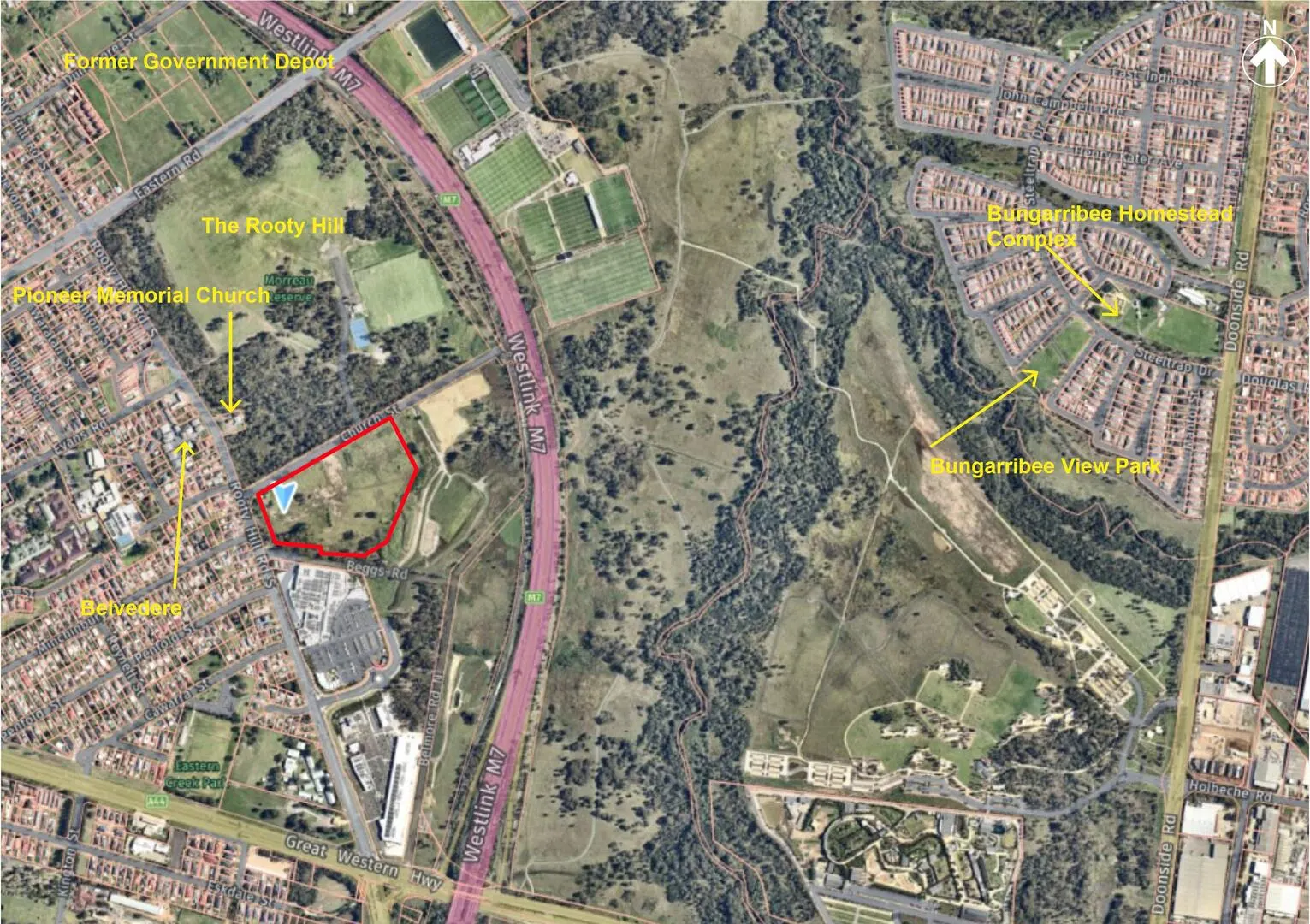
Contemporary map showing location of Bungarribee
Bungaribee
Major John Campbell, a British Army officer from Scotland, arrived in Sydney in November 1821. The following year, he received one of the largest land grants from Governor Macquarie's subdivision of The Rooty Hill Run, approximately 2000 acres that would become known as Bungarribee.
Campbell built his first home on the highest point of the property, where he lived with his wife and nine children. With the help of 22 convict workers, he cleared the land and established crops of wheat, barley, and potatoes. The property also supported livestock: 24 cattle, 28 hogs, and one horse.
In 1825, Campbell expanded his original house into a grand homestead that faced west toward the Blue Mountains. The impressive building became a well-known landmark in the area. Around the main house, Campbell constructed various farm buildings including brick barracks for workers, barns, stables, a blacksmith's shop, and a carpenter's workshop. An eight-acre garden filled with young fruit trees served both as a kitchen garden and orchard, feeding the household and the 63 people who lived and worked on the estate at its peak.
Campbell was also appointed as a magistrate, an important position in colonial society. However, building and maintaining such a large estate proved expensive, and Campbell accumulated significant debts.
When Campbell died in 1827, the property was sold to Thomas Icely the following year. Icely was a wealthy landowner and successful pastoralist who specialised in horse breeding. He added his own touch to the homestead by building a distinctive round room and tower in 1829.
The estate changed hands again when Charles Smith, a well-known thoroughbred horse breeder, took ownership in 1832. Smith lived at Bungarribee until 1840, continuing its reputation as a centre for horse breeding. After Smith left, the property was leased to various tenants, including Henry Herman Kater, a Cambridge-educated horse breeder who managed it from 1840 to 1841.
Through its various owners, Bungarribee evolved from Campbell's ambitious farming venture into one of the region's most significant pastoral and horse breeding establishments.
Summarised from the NSW Heritage Inventory for Bungarribee, Database number 5051257
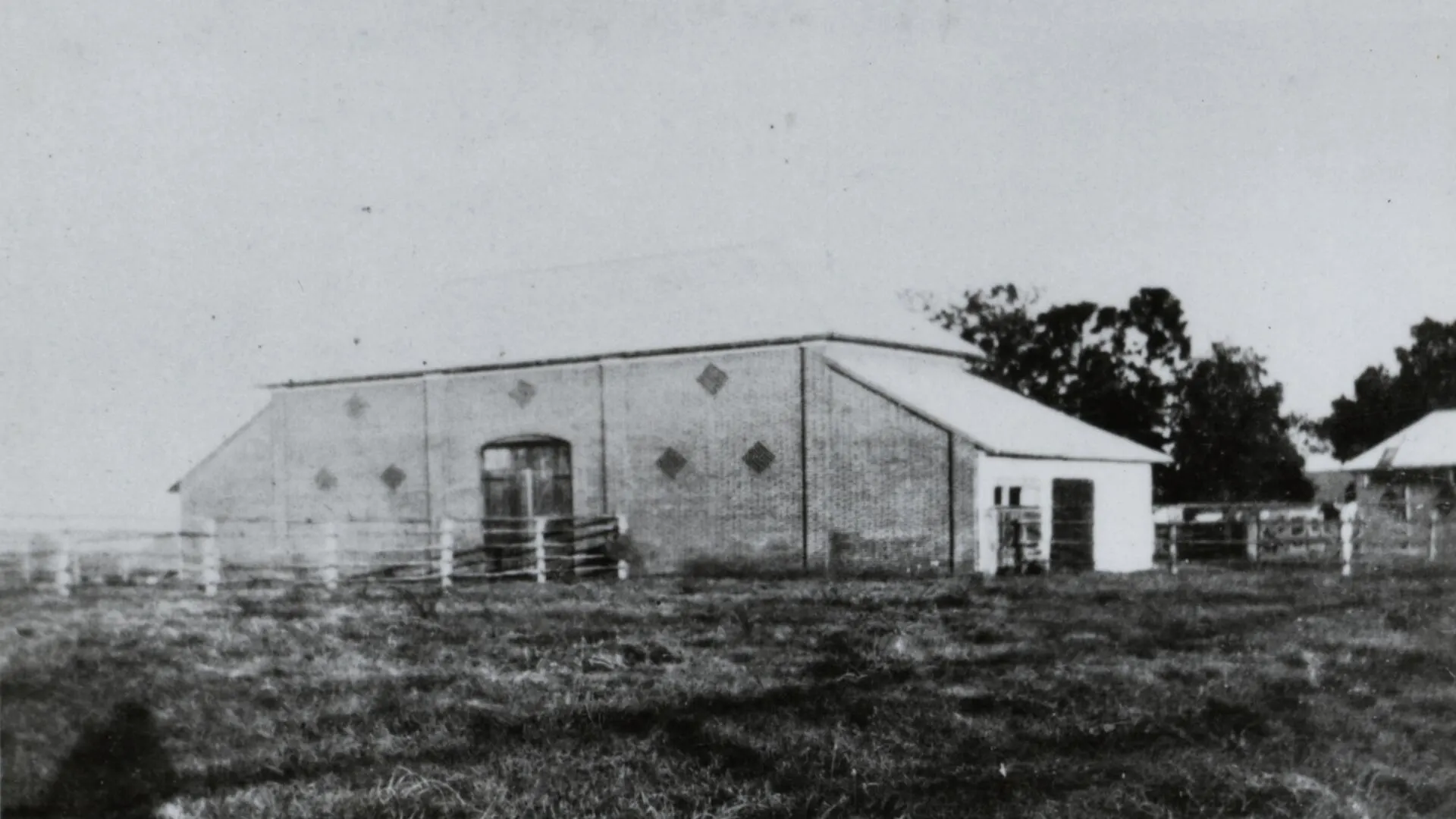
Outbuilding at Bungarribee. Courtesy of Blacktown Memories Collection, Blacktown City Council
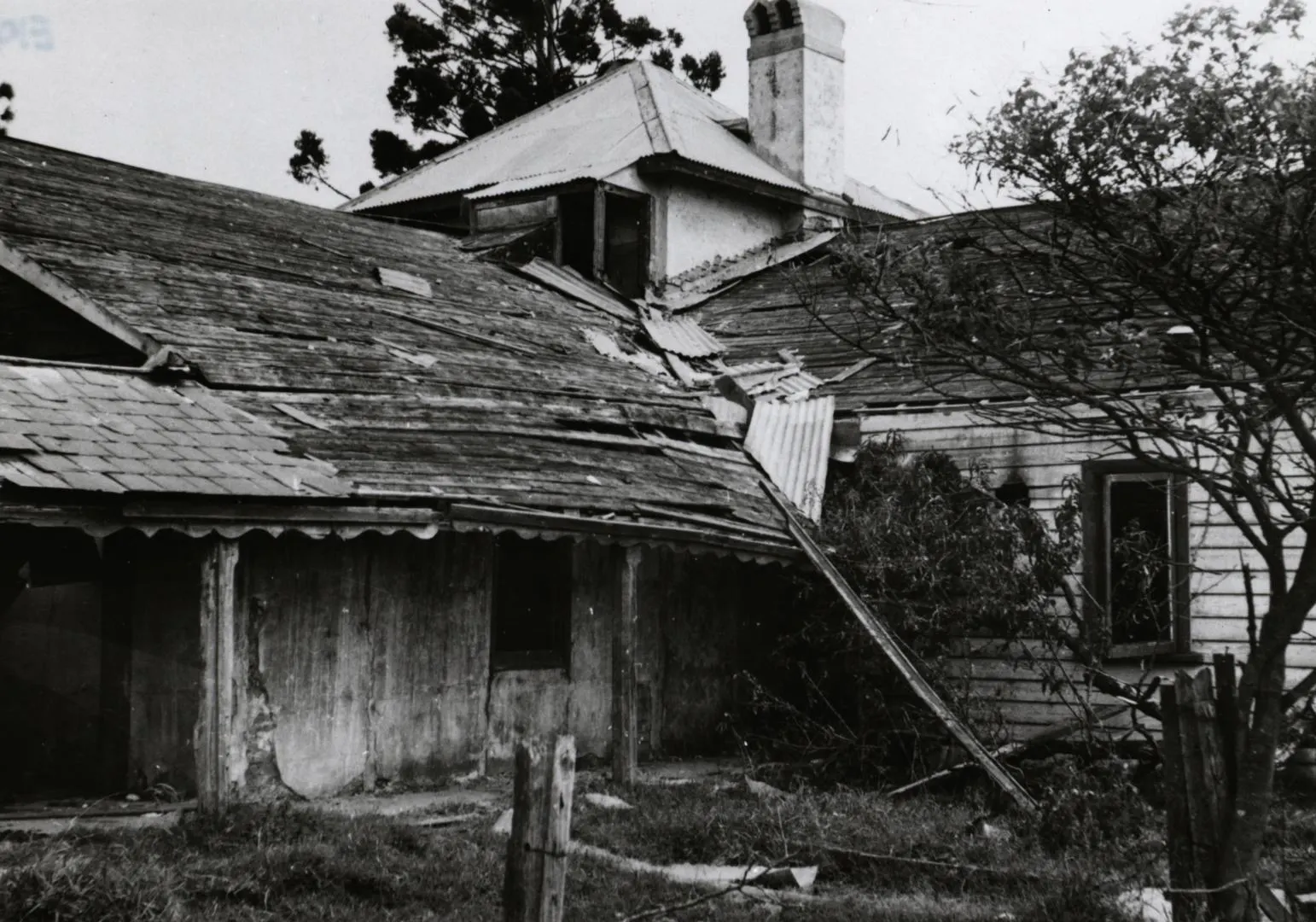
Demolition of Bungarribee, 1957. Courtesy of Blacktown Memories Collection, Blacktown City Council
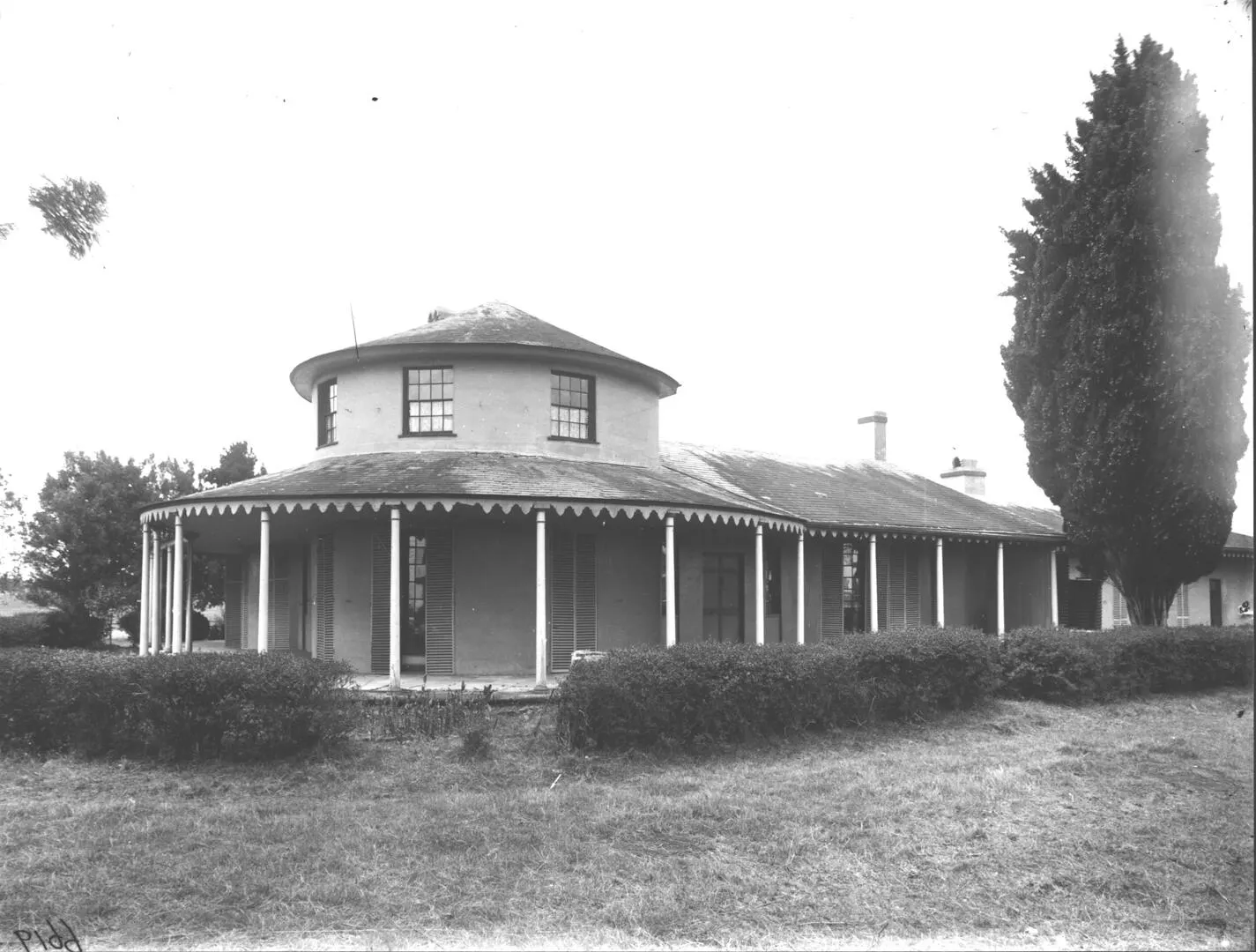
Bungarribee 1918. Courtesy of Blacktown Memories Collection, Blacktown City Council
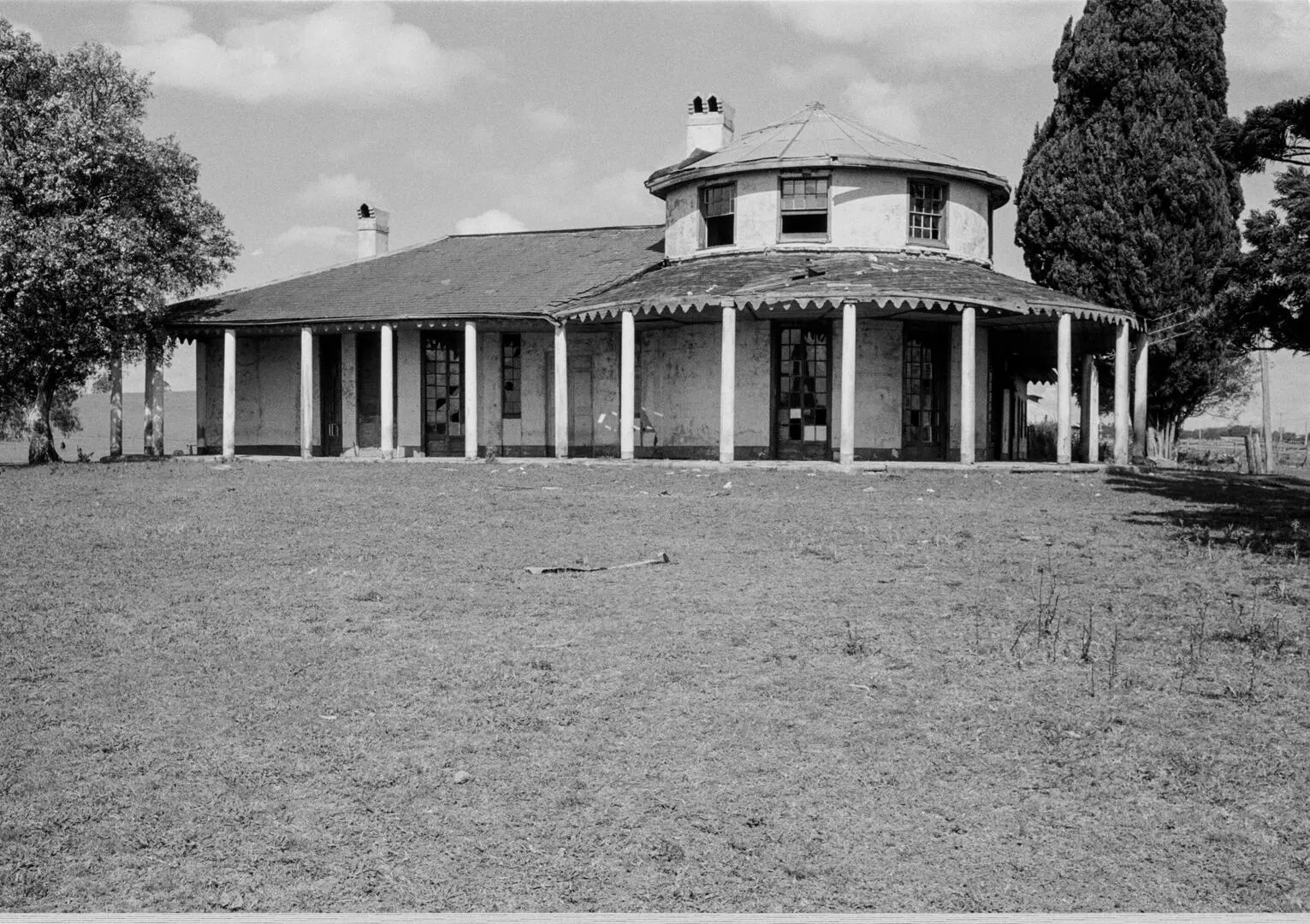
Bungarribee 1954. Barry Wollaston, Caroline Simpson Library, MHNSW
Bungarribee Homestead Site
This place has many Aboriginal archaeological sites and is heritage listed. In 1822 John Campbell, a Scottish immigrant, was granted 2000 acres where he built Bungarribee Homestead, naming it after the creek which cut through the land.
Bungarribee Park
Bungarribee Park was established in 2017. The name is made up of two Dharug words as they were understood at the time. ‘Bung’ meaning creek and ‘garribee’ meaning cockatoo. It is connected to the Clan group Warrawarry.
Beehive Well location
Beehive wells were distinctive dome shaped structures in this landscape. They were built for the use of landowners and travellers as the area developed. Rainwater would collect in the well, staying cool and an opening at the top allowed a bucket to be dropped down.There are stories that Dharug people also accessed the water from the well.
- 4 Church St, Rooty Hill NSW 2766
- Call us (02) 9748 9800
- Get directions via Google
